
Ask anyone who has closed on a house in Prineville and they will probably tell you the purchase price was never the whole story. A lot of homes and acreage parcels out here run on private wells and septic tanks instead of city water and sewer, and that one detail alone can add real money to a deal before you ever move in. Then there is the insurance question, the property tax bill that does not always match what you expected, and a gravel road that might be your responsibility to maintain.
None of this is meant to scare anyone off. Prineville is still one of the better values in Central Oregon. But going in with eyes open beats finding out the hard way three months after closing. Below is a rundown of what these costs actually look like, drawn from local data and years of walking buyers through these same questions. If you want the bigger picture on the town first, our Prineville, Oregon community guide covers the neighborhoods, the climate, and what daily life looks like here.
Septic Systems: The Cost You Cannot Skip
Step outside city limits and odds are good the home you are looking at runs on a septic system rather than a sewer connection. Once you close, that system becomes yours, problems and all.
Here is roughly what to expect:
- A septic inspection at the time of purchase usually runs $300 to $650. That is more than a routine checkup because it typically includes pumping the tank and looking over every component, not just a visual pass
- Routine pumping every three to five years costs $250 to $500
- Small repairs, a cracked baffle or a worn filter, land somewhere between $50 and $900
- A full drain field replacement is the number that stings, anywhere from $3,000 to $15,000, a range that lines up with EPA backed cost estimates reported by U.S. News
Here is the part people miss: a standard home inspection does not automatically cover the septic system. You have to request it separately. Skip that step on an acreage listing near Ochoco Heights or Indian Rock Estates and you could be signing up for a five figure surprise. It is one of the first things we walk buyers through as part of the buying process, mostly because it gives you real leverage at the negotiating table if something turns up.
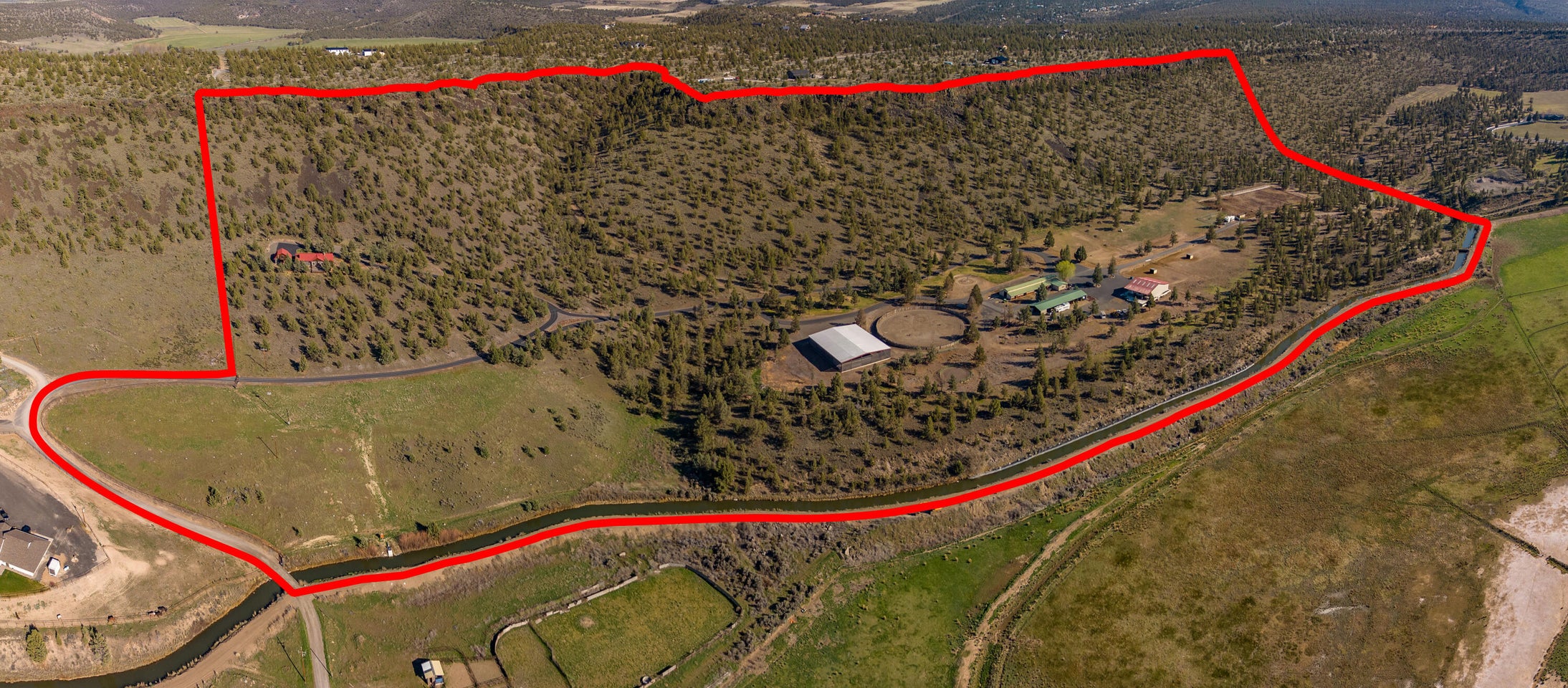
Well Water: What It Costs to Own and Maintain
Septic tends to get paired with another rural staple around here, the private well. If the property already has one, budget for testing and upkeep. If the lot is bare and needs a well drilled, that changes your math considerably.
A few numbers worth knowing:
- Testing the water before closing costs roughly $150 to $600, depending on how many contaminants you are screening for, things like bacteria, arsenic, or nitrates
- A well inspection runs $250 to $550, and most companies will knock the price down if you bundle it with a septic inspection
- Drilling a new well in this part of the state costs $28 to $65 per foot, and the average residential well around here reaches close to 200 feet, so a full system often lands between $10,000 and $18,000
- Replacing a failed pump, when it comes to that, will run you $1,000 to $3,000
Quantity matters just as much as quality. A well that looks great in April can slow to a trickle by August, so ask the seller for flow test records instead of taking a single good reading at face value. Every well built in Oregon has to go through the Oregon Water Resources Department, and there is no shortcut around a licensed driller, even if you wanted to try.
Property Taxes in Crook County
Buyers moving in from out of state are usually the ones caught off guard here, mainly because Oregon does not calculate property taxes the way most other states do.
A few things worth knowing before you budget:
- The Crook County Assessor’s Office reassesses market value every year as of January 1, and notices go out each spring
- Most annual tax bills across the county fall somewhere between $1,600 and $3,400, though homes in the pricier neighborhoods run higher
- Oregon’s Measure 50 puts a cap on how fast a property’s assessed value can climb each year. Practically, that means your tax bill will not necessarily track a hot market the way you might expect
- New construction or a major remodel triggers a fresh assessment, so a new build in IronHorse can carry a different tax path than an older home downtown, even at a similar price point
The safest move is to pull the current tax bill and the assessment history for any property you are seriously considering. Do not just eyeball it from the listing price.
Insurance Costs Buyers Often Underestimate
Homeowners insurance out here reflects the reality of high desert living, and wildfire exposure is a big part of that conversation.
A handful of things tend to push premiums up:
- Acreage parcels with wildland vegetation close by often get a higher wildfire risk rating than a home sitting in town
- Properties on well and septic sometimes need extra coverage riders, since a standard policy does not always include them automatically
- Distance from the nearest fire station affects both what coverage is available and what it costs, so it is worth checking before you get attached to a remote parcel
- Older homes may need updated wiring or a newer roof before an insurer will even write a standard policy
Get an actual quote during your due diligence window, not after closing. Waiting until the last minute can throw off your loan approval, and nobody wants that kind of surprise.
Rural Road Maintenance
A good number of properties around Prineville sit on private or gravel roads that the county does not touch. Maintaining that road usually falls on the property owner, sometimes shared with neighbors.
Before you buy, it is worth confirming:
- Whether the road is county maintained, privately maintained, or covered under a shared maintenance agreement
- What the annual dues look like if there is a road association. They can range from a couple hundred dollars to well over a thousand, depending on how much grading and upkeep the road needs
- Who handles snow removal in winter, since it is often on the homeowner rather than the county
- Whether the easement paperwork is actually in order, especially for homes reached by a shared driveway
This is one of those details that never shows up in listing photos, and it is something our agents flag early for anyone looking at land near Longhorn Ridge or similar acreage communities.
Inspection Costs Beyond the Standard Walkthrough
A general home inspection in Central Oregon usually runs $300 to $500, based on national figures from Rocket Mortgage. That price covers the basics: structure, roof, electrical, plumbing. It does not cover much beyond that.
For a rural Prineville property, plan on adding:
- A septic inspection, $300 to $650
- A well inspection and water test, $250 to $600
- Radon testing, where it applies, $100 to $200
- An inspection of any outbuildings or barns on acreage properties
Scheduling these the same week as your general inspection, ideally with inspectors who talk to each other, keeps things moving and gives you the full picture before your contingency deadline runs out.
Budgeting the Full Picture
Add it all up and a buyer purchasing a typical acreage property in Prineville should reasonably set aside another $3,000 to $8,000 beyond the purchase price, covering inspections, testing, and the first year of well and septic upkeep, on top of your normal closing costs. This is the kind of detail that separates a smooth closing from a stressful one, and it is a big part of why buyers lean on real estate agents in Prineville who handle this type of property week in and week out.
Whether you are looking at acreage, an in town fixer, or land near the Ochoco National Forest, we can walk you through what a property actually costs to own, not just what it costs to buy. Reach out to our team at Knightsbridge International Real Estate and let’s talk through your next steps.
Frequently Asked Questions
Q. Does every property in Prineville use well and septic?
No. Homes inside Prineville city limits generally connect to municipal water and sewer. It is properties outside the city boundary, especially acreage and rural subdivisions, that typically rely on a private well and septic system.
Q. How do I find out if a specific property has a well or city water?
Your agent can pull this from the property disclosure and county records fairly quickly. It also does not hurt to just ask during your first showing, since the answer changes both your closing costs and what you will be maintaining down the road.
Q. Can a home fail to qualify for a loan because of well or septic issues?
It happens more than people expect. Lenders often require a passing well flow test and a working septic system before they will approve financing, particularly on USDA and FHA loans, which are common for rural Oregon purchases.
Q. Are property taxes in Crook County higher or lower than Bend?
Generally lower, since home values in Crook County sit below Deschutes County averages overall. That said, the actual rate depends on the specific taxing district, so two neighboring properties can end up with different bills.
Q. Who is responsible for maintaining a shared gravel road in a rural subdivision?
Usually the property owners along that road, either through an informal understanding or a formal maintenance agreement with annual dues. Get this in writing before closing. Do not assume anything just because the road looks fine during a showing.