
For many people, the mountains offer them peace, clean air and a more relaxed lifestyle.
The experience of owning a home in such a setting will make you feel as if you have fulfilled your dream. The mountain area provides distinct life experiences to people who buy property in the mountains whether they use it as a vacation home, an investment property or their main residence.
Mountain real estate presents investors with particular difficulties that they must learn to handle. Your decision-making process will depend on factors such as weather conditions, accessibility options, infrastructure availability and maintenance requirements. The evaluation process of multiple factors needs to be conducted before you proceed with your purchase decision.
This guide highlights the key points you should consider when investing in mountain real estate so you can make a smart and confident decision.
Why Buying Property in the Mountains Is So Appealing
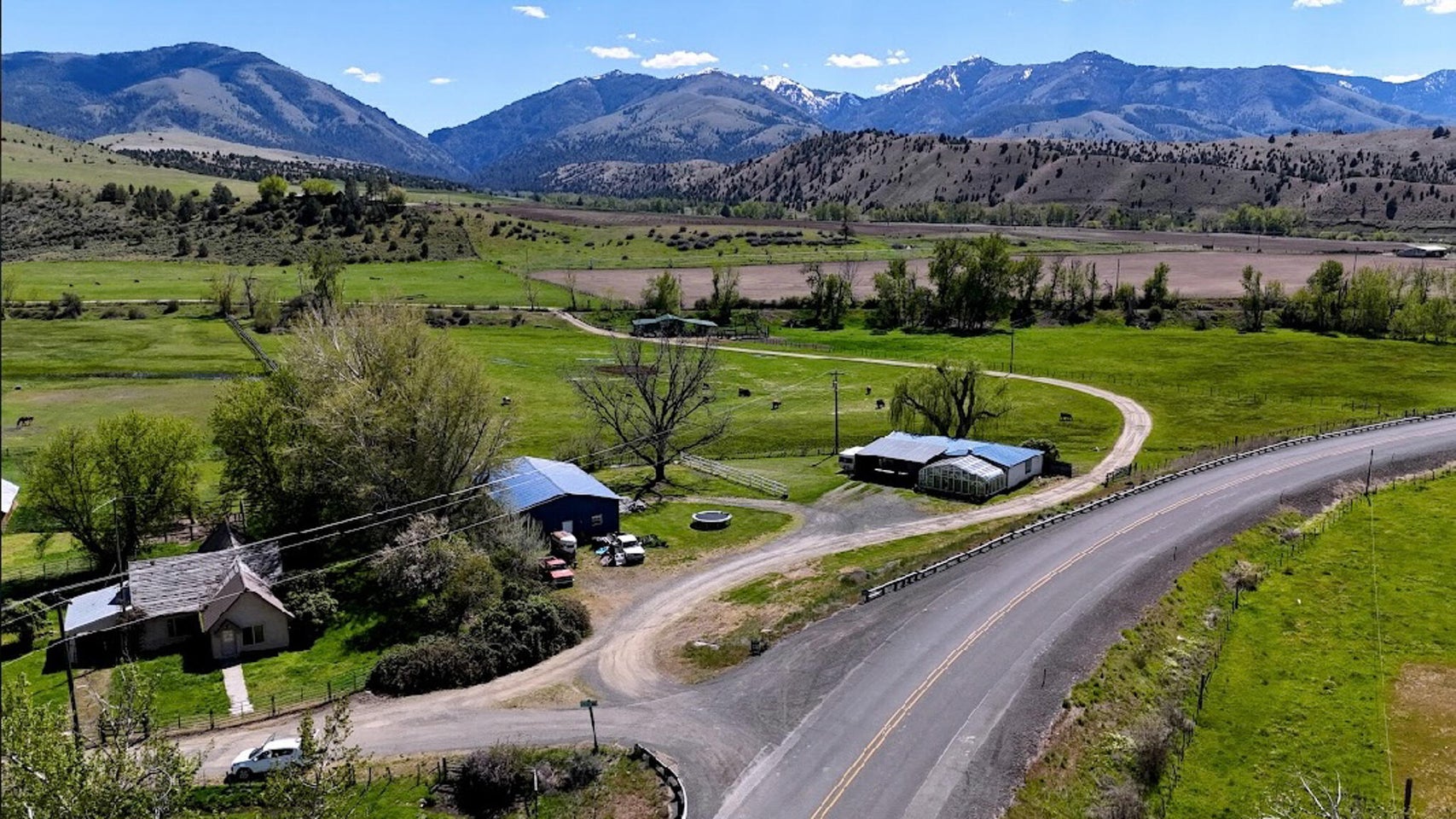
Mountain homes attract buyers because they offer both natural beauty and tranquil residential areas. Mountain properties provide exceptional views together with secluded spaces and pure atmospheric conditions. The location provides opportunities for outdoor relaxation activities which include climbing, snowboarding, and off-road cycling.
Mountain properties enable investors to achieve substantial financial returns from their investments. Year-round tourist activity in mountain areas creates business opportunities through short-term rental properties and vacation homes. The restriction of land development in popular mountain areas leads to property value increases over the years.
Mountain life offers a unique experience that differs from urban and suburban lifestyles. The following factors can help you decide whether this type of investment is right for you.
1. Accessibility and Road Conditions
Access is one of the most important factors when buying mountain real estate. Some properties may look beautiful but can be difficult to reach.
Check whether the roads leading to the property are paved or unpaved. In many mountain regions, roads may become slippery or blocked during winter months. Snowfall, landslides, or heavy rain can affect accessibility.
You should also confirm whether emergency vehicles can easily reach the property. Easy access increases both convenience and long-term property value.
2. Weather and Climate Conditions
Mountain weather patterns show rapid shifts which occur at unpredictable times. The region experiences longer and colder winters than the nearby towns. Daily activities and maintenance work will be impacted by the amount of accumulated snow.
People should study the seasonal weather patterns which occur in mountain areas before they decide to buy property in the mountains. The research should include information about snow depth, precipitation rates and yearly temperature averages.
The data will assist you in planning your requirements for heating and insulation and handling the difficulties that arise during specific seasons.
3. Utility Services and Infrastructure
Not all mountain homes have the same level of infrastructure as city properties. In some areas, access to utilities may be limited.
Key services to check include:
- Electricity supply
- Water source (municipal or well water)
- Internet connectivity
- Sewage or septic systems
Reliable utilities are essential if you plan to live in the home full-time or rent it to visitors.
4. Land Stability and Geological Risks
Mountain landscapes display their natural beauty yet create geological risks. The stability of land areas depends on three factors which are slopes, soil conditions and rock formations.
A mountain real estate purchase needs a professional land survey to assess property boundaries. The assessment process identifies potential environmental hazards which include landslides and soil erosion.
The inspection process establishes whether the mountain property meets safety standards and construction requirements.
5. Local Regulations and Zoning Laws
Different mountain regions have different property rules. Some areas have strict environmental protections or building regulations.
For example, local authorities may limit construction height, tree removal, or land development. In protected areas near national parks, regulations may be even stricter.
Understanding these laws will help you avoid legal issues and ensure your plans for the property are possible.
6. Property Maintenance Requirements
Maintaining a mountain home often requires more effort than maintaining a city property.
Snow removal, roof inspections, and drainage systems are particularly important in mountain climates. Cold weather can also affect plumbing and exterior structures.
If the property will be used as a vacation home, you may need a local property manager to check on it regularly.
7. Insurance and Risk Coverage
When purchasing mountain property insurance becomes a vital aspect to evaluate.
Certain regions experience natural hazards which include wildfires and heavy snowfall and flooding events. The insurance policies which apply in these areas differ from standard home insurance policies.
The cost of premiums increases based on the combination of location and environmental factors. The verification of insurance coverage availability and associated costs must occur before you complete your purchase.
8. Rental and Investment Potential
Many buyers purchase property in the mountains as a rental investment. Scenic destinations often attract tourists looking for peaceful holidays or outdoor activities.
If rental income is part of your plan, research:
- Local tourism demand
- Short-term rental regulations
- Seasonal occupancy rates
- Property management services
Well-located mountain homes near ski resorts, hiking trails, or scenic viewpoints can generate strong rental demand.
9. Community and Nearby Amenities
Even in a peaceful mountain setting, access to essential services is important. Consider how close the property is to nearby towns or villages.
Check the distance to:
- Grocery stores
- Hospitals and medical centers
- Schools
- Restaurants and shops
Living in the mountains can feel isolated if these services are too far away. A balanced location provides both tranquility and convenience.
10. Long-Term Property Value
Real estate in scenic locations often holds strong long-term value. However, not all mountain properties appreciate at the same rate.
Factors that influence property value include:
- Proximity to popular tourist destinations
- Infrastructure development in the region
- Accessibility and transport connections
- Demand for vacation homes
Choosing the right location can make your investment more profitable over time.
Tips for First-Time Mountain Property Buyers
New mountain real estate buyers should follow these essential steps which will make their purchasing experience easier.
Work with Local Experts
Local real estate professionals understand the area’s terrain, climate, and regulations which they use to help you find suitable mountain properties.
Visit the Property in Different Seasons
A property shows two completely different appearances if you visit it during winter compared to summer. Visiting during multiple seasons helps you understand the environment better.
Plan for Additional Costs
Mountain homes require property owners to spend more money on maintenance than typical homes. Property owners need to create a budget which covers snow removal costs, heating expenses, and potential repair needs.
Consider Future Development
You should verify the development plans for new infrastructure, roads and tourism projects which will take place in the area. These developments can increase property value in the future.
Final Thoughts
Mountain real estate purchases provide both excitement and profitable opportunities for buyers. The combination of beautiful views and secluded environment and mountain lifestyle creates an appealing option that many buyers find attractive. However, mountain properties demand their respective owners to conduct extensive research and develop detailed project plans.
You will achieve better judgment when you evaluate these elements which include property access, weather patterns, available services, and future development potential. Your property selection process will succeed when you apply a systematic method that helps you find properties matching your personal life requirements and your financial objectives.
Real estate professionals who have worked in mountain areas for years will help you identify property opportunities that you want to explore. Contact Knightsbridge International to start their search for their dream mountain home. We offer professional assistance together with access to exclusive international property listings as well.