
A parcel is buildable in Redmond Oregon when its zoning allows a home and you can confirm legal access and water, septic and utility service can all be confirmed before closing. That combination sounds simple, but it is exactly where buyers run into trouble, since a lot can look perfect on paper and still carry restrictions that are not obvious from a listing photo or a plat map.
At Knightsbridge International Real Estate, we work with buyers across Redmond and the wider Central Oregon market who are drawn to vacant land in Redmond Oregon specifically because it lets them design a home around their own plans rather than settling for what is already built. This guide walks through the checks we recommend before you commit to buying property in Redmond Oregon, so you know what to verify and where that information actually comes from.
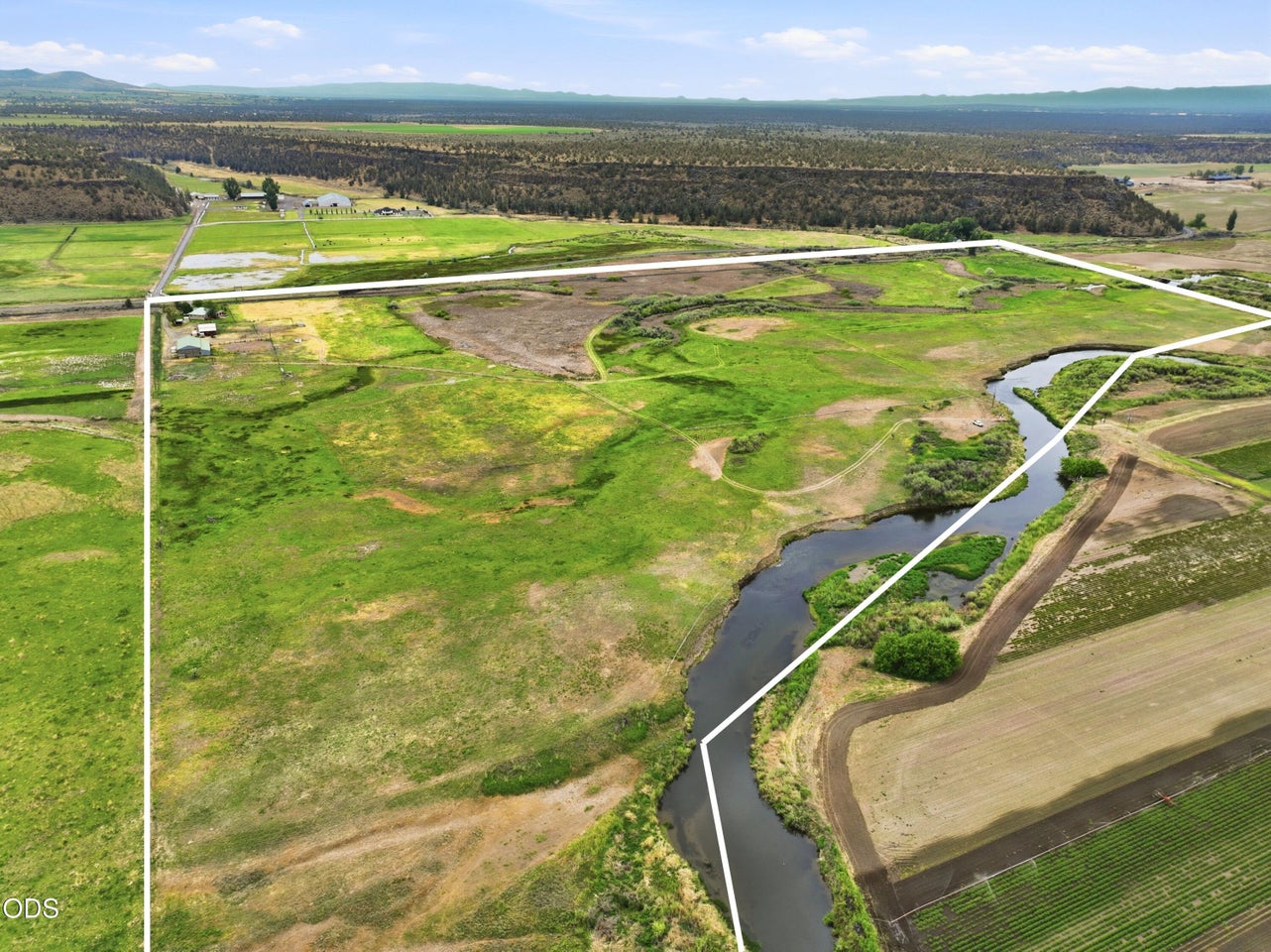
What Buildable Actually Means
A buildable lot is one where the local development code allows the buildable area, meaning the portion of the property outside required setbacks and easements, to legally hold a structure.
Redmond’s own development code defines buildable area this way and it matters because a five acre parcel might only have a fraction of that land available once setbacks, easements and access requirements are applied. This is the first thing to confirm with residential land in Redmond Oregon, before square footage, view or price ever enter the conversation.
Start With the Zoning Designation
Zoning determines what you are legally allowed to build and how the lot can be used and it is checked before anything else. Parcels inside Redmond city limits fall under the city’s own development code, while parcels outside city limits are governed by Deschutes County zoning instead and the two systems set different rules for lot size, setbacks and permitted uses. Redmond Oregon land can carry designations for single family residential, rural residential or other categories and each one comes with its own minimum lot size and density limits.
A few things worth confirming at this stage.
- The zone allows a dwelling – Some parcels are zoned for uses that do not include a standard house, so this needs to be checked before anything else.
- Minimum lot size and setback rules – These determine how much of the parcel is actually usable once you subtract the required distance from property lines.
- Any overlay zones – Airport approach zones, wildlife area overlays or scenic corridor designations can add extra restrictions on top of the base zoning.
Working with an agent familiar with buying process in this specific market helps here, since zoning maps and code sections are not always written in plain language.
Check Access, Road Frontage and Easements
Legal and physical access to the parcel is a separate question from zoning and a lot can be zoned correctly and still be unbuildable if access cannot be established. Deschutes County requires site plans that show driveway and access road locations along with distances from proposed structures to property lines, before permits are issued. If a parcel is landlocked or only reachable through a private easement, that easement needs to be recorded and enforceable, not just a path someone has used informally for years.
Practical points to verify include whether the road is public or private plus whether it is maintained year round and whether the county or city has any planned road projects that could affect the parcel. None of this shows up on a simple listing sheet which is why a site visit and a conversation with the relevant planning department both matter.
Confirm Water Availability
Water access is one of the most common reasons a piece of vacant land in Oregon turns out to be more complicated than expected. Inside Redmond city limits, municipal water and sewer connections are often available, though the cost of extending a line to a specific lot can vary and should be confirmed with the city’s Public Works department directly. Outside city limits, most rural parcels rely on a private well instead.
Under Oregon law, groundwater used for a single household does not require a separate water right permit as long as it stays under 15,000 gallons per day, which covers typical residential use. That said, an exempt use well still has to be drilled and completed to state standards and in some parts of Central Oregon the depth and yield of a well can vary significantly from one parcel to the next, so a water availability check before you close is worth the cost. This is one of the details we walk buyers agent clients through when a parcel does not already have water infrastructure in place.
Confirm Septic or Sewer Capacity
If a parcel is not connected to municipal sewer, a septic system has to be evaluated and approved before a building permit can move forward. Deschutes County requires a site evaluation from an onsite wastewater specialist, who identifies where a septic system can be placed and what type the soil and site conditions will support.
That approved area then has to appear on the site plan submitted with the building permit application. Some sites fail this evaluation because of shallow soil, high water tables or rock close to the surface, all of which are common in parts of the Redmond area and are worth checking early rather than after an offer is accepted.
Review Floodplain and Environmental Overlays
Flood risk and other environmental overlays can restrict where a structure is allowed on a parcel even when the zoning itself permits a home. FEMA’s Flood Map Service Center lets you search any address and pull the flood zone designation for that specific parcel, which is a quick and free step worth doing before you get too far into a purchase. Redmond and the surrounding high desert are largely outside major flood hazard areas, but low lying parcels near canals, canyons or seasonal drainage should still be checked individually rather than assumed to be clear.
Wildlife habitat overlays, scenic corridor designations and setbacks from rimrock or canyon edges are additional layers that can apply depending on where the parcel sits and these are typically noted in the zoning research done during due diligence.
Utilities, Internet and Site Costs
Even a legally buildable parcel can carry real costs to make it usable and this is where a lot of buyers get caught off guard. Bringing power, water or sewer to a lot that does not already have it can be a significant expense depending on distance from the nearest connection point and the city directs these specific cost questions to its Public Works department rather than publishing a flat rate, since every parcel is different. Internet access, propane versus natural gas availability and driveway grading are worth pricing out during due diligence rather than after closing.
Work With Someone Who Knows the Local Process
Vacant land moves through a different due diligence process than a resale home and the answers to zoning, access, water and septic questions come from several different offices rather than one clean report.
Having a real estate agent who regularly works through this process in Redmond and greater Deschutes County means someone is coordinating those questions on your behalf instead of you tracking down each department separately. This is a core part of what we do at Knightsbridge International Real Estate for clients evaluating Redmond OR land for sale and we pair that local process knowledge with a search of current listings that fit a buyer’s specific building plans.
Ready to Look at Buildable Land in Redmond
If you are actively comparing land for sale in Redmond Oregon and want a clearer picture of which parcels are genuinely buildable for your plans, our team at Knightsbridge International Real Estate can walk through zoning along with access and utility questions with you before you make an offer. Contact us to start that conversation and get matched with parcels that fit both your budget and your building timeline.
FAQs
Q. Can I place a manufactured home on vacant land in Redmond Oregon?
In many residential zones, yes, though the specific zone and any subdivision or HOA restrictions need to be checked first. Foundation requirements for manufactured homes also differ from site built homes, so this should be confirmed with the planning department before you buy.
Q. How long does a septic site evaluation take in Deschutes County?
Timelines vary by season and current workload at the county and soil conditions on the specific parcel can also affect how quickly an evaluation is completed. It is reasonable to build several weeks into your due diligence period to allow for this step.
Q. Is it cheaper to buy land and build than to buy an existing home in Redmond?
It depends heavily on lot costs, utility extension needs and current construction pricing, so there is no single answer that applies to every parcel. Land without existing utilities in place often costs more overall once site work is added, even if the purchase price looks lower.
Q. Do I need a permit before drilling a well on land I am buying?
A single household well typically falls under Oregon’s exempt use rules and does not require a separate water right permit, but the well itself still has to be drilled by a licensed well constructor and meet state construction standards. It is worth having a well feasibility conversation with a local driller before you close if the parcel does not already have one.
Q. What is the smallest lot I can build a house on in Redmond?
Minimum lot size depends on the specific zoning designation and it differs between city limits and unincorporated Deschutes County parcels nearby. This is one of the first things to confirm for any specific parcel rather than assuming a standard number applies citywide.