
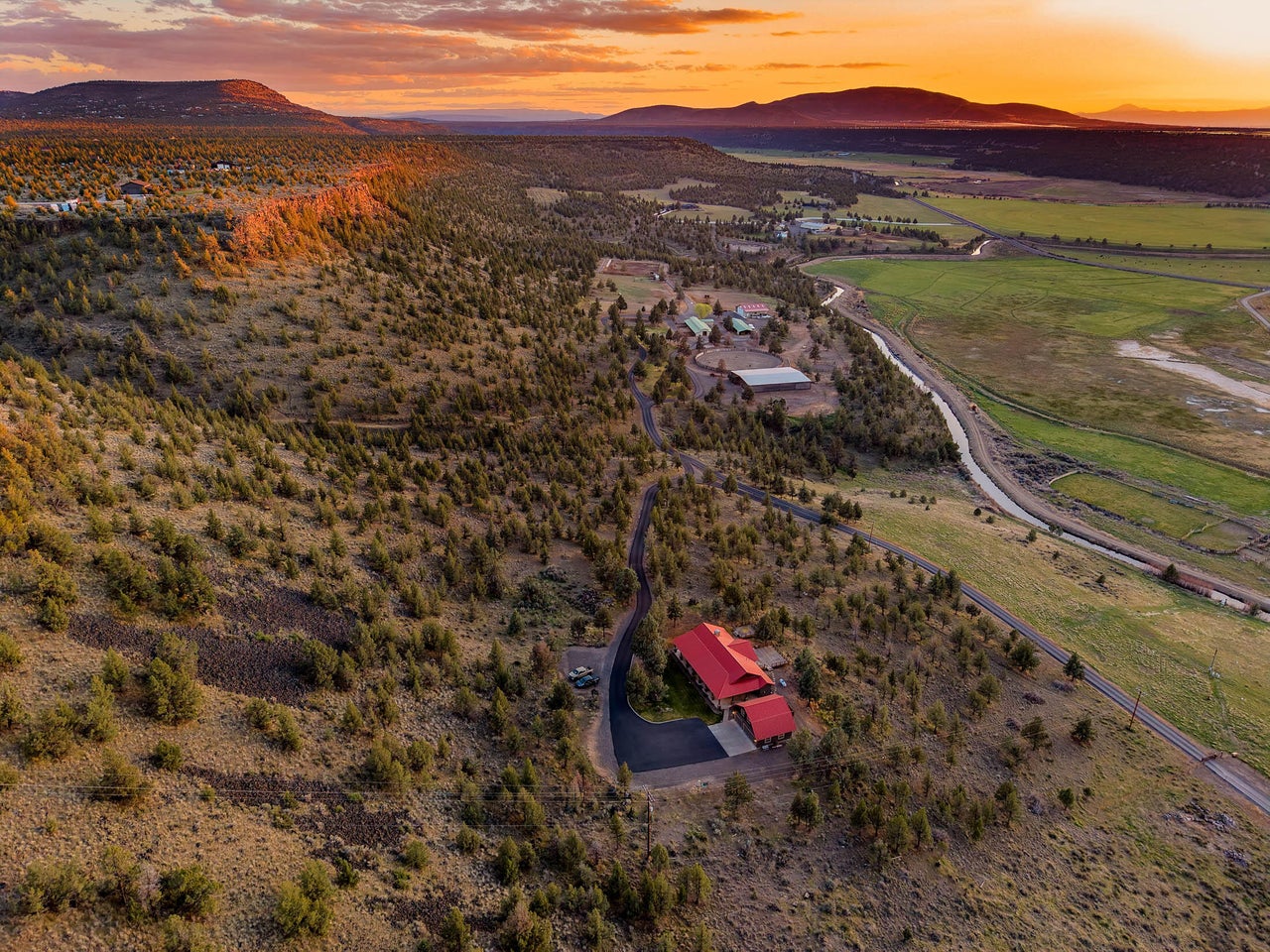
Land for sale in Prineville Oregon ranges from small city lots to rural acreage near the Ochoco National Forest and no two parcels have the same development potential. A parcel’s potential comes mainly from its zoning, water source, septic approval, legal access and natural hazards. Acreage and views matter far less. This guide walks through each factor so you can judge a Prineville parcel before you make an offer.
Key takeaways
- Zoning decides what you can build and whether the land can be divided
- Water and septic approvals often decide whether a parcel is buildable at all
- Legal access, power, flood exposure and wildfire rules change both cost and timeline
- A local broker can help you verify these items before you fall in love with a view
Why Buyers Are Looking at Prineville Land Right Now
Prineville is growing. Census Bureau figures show the city’s population rose 11.0% between April 2020 and July 2024 reaching an estimated 11,917. Jobs are a big driver. Local economic development leaders say the two hyperscale campuses have created about 600 permanent positions, according to Cascade Business News and ranching and timber remain part of the economy.
Compared with the rest of Central Oregon, acreage here has generally stayed more accessible. Our Prineville community guide covers the lifestyle and market context. The sections below focus on what makes a specific parcel developable.
1. Zoning and Land Use Designation
Zoning is the first filter for any land for sale in Prineville. Inside city limits, the City of Prineville sets the rules. Outside the city, Crook County zoning applies and it varies widely:
- Rural residential zones allow low density homesites. In one such zone, county code requires a five acre minimum for new parcels and another zone requires ten acres.
- Exclusive farm use zones cover agricultural land, including irrigated cropland in the Prineville Valley. They restrict dwellings and land divisions and wildlife habitat areas can raise minimum lot sizes further.
- Recreation residential zones apply to some parcels near the reservoir and carry their own parcel size and conditional use rules.
Future flexibility matters too. In rural residential zones, an accessory dwelling generally needs a parcel of at least five acres with an existing home and site plan review. Codes change so confirm current rules with Crook County Community Development. Our buyer’s agents can help you read zoning before you commit.
2. Water: Wells, Water Rights and Irrigation
Many parcels outside town rely on private wells. Oregon’s Water Resources Department notes that domestic well use up to 15,000 gallons per day does not require a water right permit, though wells must still be registered. Irrigation and larger uses generally do require a water right.
A water right typically goes with the land but it can be forfeited after five consecutive years of non use. Oregon law also requires sellers to say in writing whether water right documents exist. For hay ground and small farms, see our Powell Butte real estate agents page.
3. Septic Approval and Soil Suitability
Outside city sewer, septic is usually how a parcel becomes buildable. Crook County says septic is the only approved sewage method in rural zones and its site evaluation process requires a site plan and at least three test holes. Oregon DEQ advises buyers to learn which system type a parcel needs before purchasing.
On cost, DEQ reports that onsite program fees rise 33% effective July 1, 2026 so ask your local office for current fees. Cutting, filling or placing a well in the approved area can also invalidate a site evaluation so plan your building pad carefully.
4. Legal Access, Power and Utilities
A parcel with a view but no legal, year round access is a liability. Ask about recorded easements, road maintenance agreements and whether power sits at the road or far from it. Extending utilities can change your budget significantly. For commercial or industrial acreage, our commercial real estate team can help assess frontage, utilities and permitted uses.
5. Flood Risk, Wildfire and Terrain
Parcels near the Crooked River or Prineville Reservoir can raise flood and access questions so check the property on FEMA’s flood maps before you write an offer. Wildfire rules can also apply, including defensible space requirements for some new dwellings in wildland urban interface areas. Slope, rock and juniper cover affect driveway and building pad costs as well.
How to Evaluate Land Before You Buy
- Confirm zoning and permitted uses with the city or county planning office.
- Ask for water right documents or check well registration.
- Request any existing septic site evaluation or budget for a new one.
- Verify legal access, easements and utility availability in writing.
- Check the flood map and local wildfire requirements.
- Order a survey and title review before your due diligence period ends.
Why Work With Knightsbridge International Real Estate
Knightsbridge International Real Estate is an independent residential and commercial brokerage headquartered on Bond Street in Bend. Our brokers work across residential, commercial, new development, land and farm use markets. Our Prineville real estate agents focus on the details that decide land deals here: wells, septic, rural zoning and neighborhood differences.
Conclusion: Buy the Potential, Not Just the Parcel
The best land for sale in Prineville Oregon is land whose zoning, water, septic and access support your plan. Verify those four items first then weigh views and price. This article is general information, not legal advice so confirm details with Crook County or the City of Prineville.
Ready to explore Prineville land? Browse current listings or call Knightsbridge International Real Estate right away. You can also contact our team to talk through your goals.
FAQs
Q. Is Prineville a good place to buy land?
Many buyers think so because of steady growth, job stability and access to public lands. Still, check each parcel’s zoning, water and septic before deciding.
Q. Can I build on any vacant land in Prineville?
No. Buildability depends on zoning, septic approval, water source and legal access. Farm zoned land carries stricter dwelling and division rules.
Q. Do I need a water right to drill a well?
Not for exempt domestic use up to 15,000 gallons per day, though the well must be registered. Irrigation and larger uses generally require a water right.
Q. What is a septic site evaluation and why does it matter?
It is the county’s soil and site test for a septic system, using at least three test holes. Without an approved evaluation, a rural parcel may not qualify for a building permit.
Q. Can I add a second dwelling or ADU on rural land?
Sometimes. In Crook County rural residential zones, an ADU generally needs a parcel of at least five acres with an existing home, plus site plan review. Confirm current rules with the county.