
Sisters sits at the base of the Cascade Range in Central Oregon near 20 miles west of Bend. It has a population of just over 3,000 people and it functions like a small town should. Quiet streets, a walkable centre and a community that actually knows itself.
On a clear day you can see all three from downtown. People take photographs and then realise the photographs don't really capture it. That view is not something you notice occasionally. It is just always there.
The town has kept its 1880s Western character deliberately. The storefronts along the main street follow a specific architectural code that has been maintained for decades. It does not feel like a theme park version of a Western town. It feels like a place that decided what it wanted to look like and held the line on it.
Sisters works well as a place to actually live, not just visit. The school district is consistently ranked among the highest performing in Oregon, which matters a great deal to families settling here rather than passing through.
The downtown has independent boutiques, galleries and cafes that have been operating for years. There's a genuine local food and arts culture here that feels earned rather than manufactured for tourism. The Sisters Folk Festival and the Outdoor Quilt Show draw visitors from well outside Oregon each year, but for residents they're just part of the annual rhythm.
The outdoor access is serious:
The pace is slower than Bend. That's not a drawback. For people who want access to serious outdoor recreation without the city noise, Sisters sits in a position that's hard to replicate.
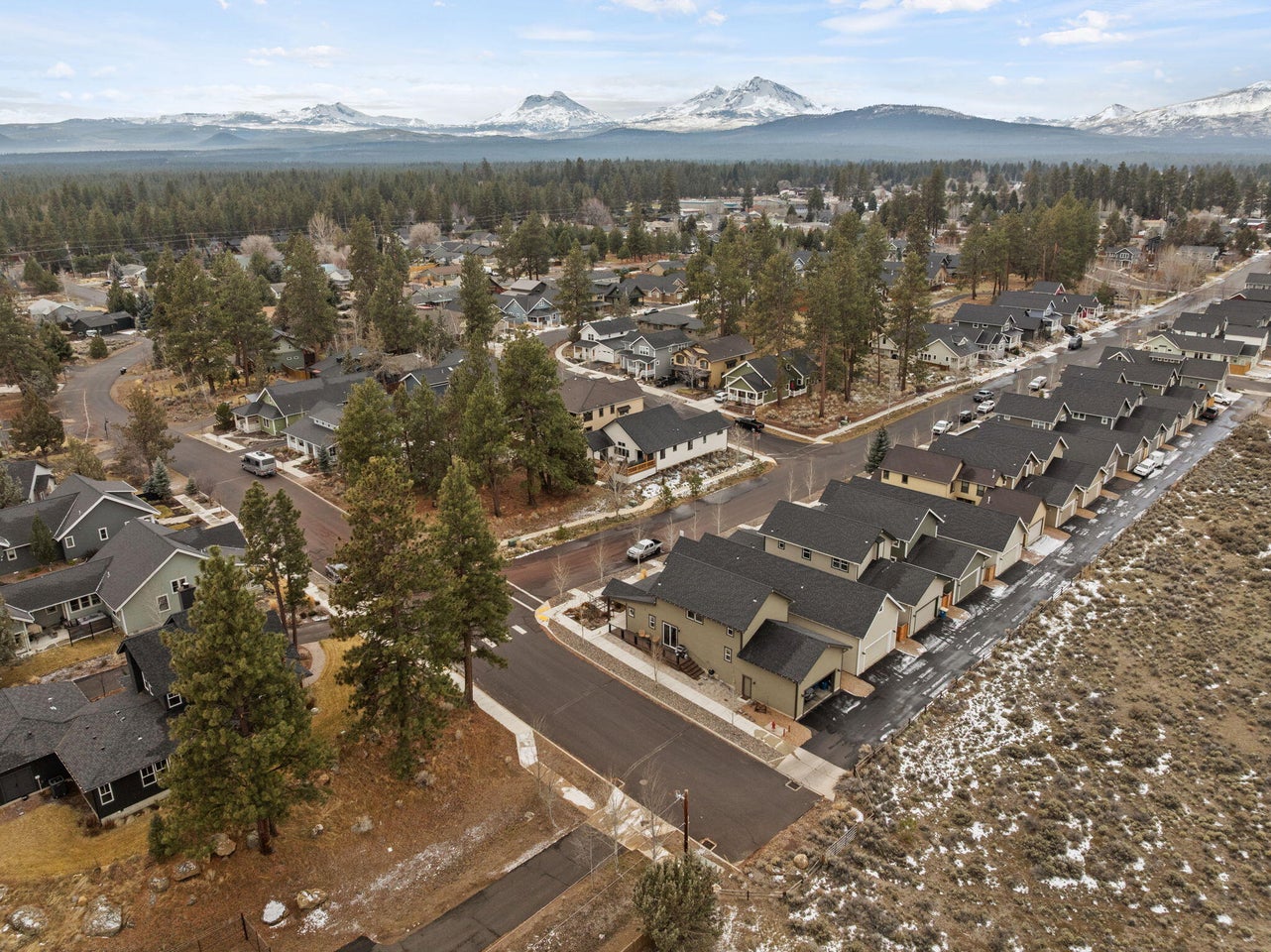
Properties in Sisters tend to come with more space around them. Custom cabins, mountain modern builds and acreage properties make up most of the market. The architectural character here leans toward the landscape rather than away from it, which means homes tend to feel connected to the setting rather than dropped into it.
The market has opened up in terms of inventory. There is more choice available than there was a few years ago and properties are sitting longer before closing. For anyone paying attention to timing, that shift has created more room to move than the Central Oregon market typically allows.
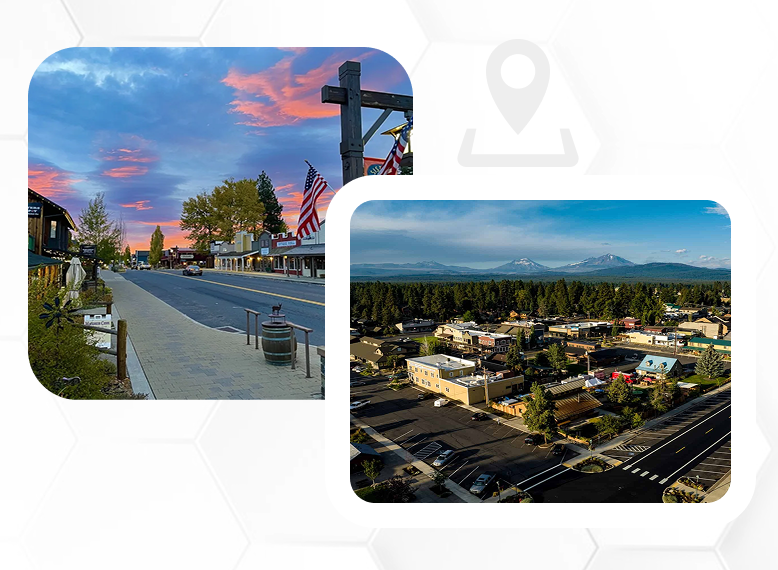
Sisters has a limited inventory compared to larger Central Oregon towns, which means good properties tend to move fairly quickly. The market here includes smaller in-town homes, larger acreage lots, and properties within planned communities like Black Butte Ranch nearby. If you are looking to buy or sell in the area, our team knows Sisters well and can help you work through your options.
The land around Sisters is largely protected forest and wilderness, which means the landscape is not going to change with development pressure
Fire-resilient construction has become standard in newer builds, which directly addresses one of the main concerns people raise about mountain properties in the Pacific Northwest.
The school district quality keeps family demand consistent regardless of broader market conditions
The town's strict architectural standards protect the character of the streetscape, which protects the appeal of properties sitting along and near it
The land around Sisters is largely protected forest and wilderness, which means the landscape is not going to change with development pressure
Fire-resilient construction has become standard in newer builds, which directly addresses one of the main concerns people raise about mountain properties in the Pacific Northwest.
The school district quality keeps family demand consistent regardless of broader market conditions
The town's strict architectural standards protect the character of the streetscape, which protects the appeal of properties sitting along and near it
We cover Sisters as part of the Central Oregon region we work in daily. Knowing the difference between an acreage property with genuine access to trail networks versus one that looks rural on a map but sits awkwardly in practice. Understanding which new builds have been constructed to proper fire-resilient standards and which ones use the language without fully delivering on it. Knowing what the view corridor from a specific lot actually looks like across different seasons. That kind of detail does not come from listing data.
We work with people at different stages, those already in Sisters, those comparing it to other Central Oregon options and those trying to understand what the market is genuinely doing right now rather than what it looked like 18 months ago.
.
No sales framing. Just local knowledge applied honestly to whatever question is in front of us. If Sisters is part of your thinking for any reason, Knightsbridge International Real Estate are straightforward to reach and worth the conversation.