
Most people searching for homes for sale in Redmond Oregon spend hours on listing sites. They save photos. They compare square footage. They check commute times on Google Maps.
What they rarely do is stop and learn how this market works before they start making offers.
That gap costs buyers money, time, and sometimes the home they actually wanted. This guide fills that gap. It covers what to know, what to watch for, and what most buyers only figure out after they have already made a mistake.
Redmond Is Not Plan B Anymore
For a long time, buyers came to Redmond only after Bend prices pushed them out. That story is old now.
People choose Redmond on purpose today. It has its own job market, its own trails, its own coffee shops, and its own feel. Central Oregon has seen a 3.4% increase in employment since mid-2023. Redmond led much of that growth. Jobs came in health care, manufacturing, and schools. The local unemployment rate now beats the Oregon state average (5.0% vs 5.2%), which had not happened in years.
The airport changed things too. Redmond Municipal Airport is undergoing a $180 million expansion that will add 80,000 square feet. More gates. More flights. Better routes. That matters for people who travel for work and do not want to drive two hours to Portland every time.
Home prices here run roughly 30 to 35 percent below Bend for similar homes. But that gap has been closing. Buyers who waited to see if Redmond was worth it are now competing with buyers who already know it is.
Lesson 1: Explore Neighborhoods Before Fixing Your Budget
Buyers typically reverse this order. They pick a budget upfront, then hunt properties within it. In Redmond, that approach breeds quick frustration since neighborhoods vary sharply in vibe and price.
Older Spots Close to Downtown
Homes here date to the 1970s and 1980s. Yards offer more room. Mature trees add charm. Plenty of space exists for an RV pad, hobby shop, or proper garden. Drawback: expect updates on kitchens, baths, and HVAC. If renovations fit your plan or wallet, dollars stretch longest in these zones.
Recent Developments Such as Canyon Rim Village
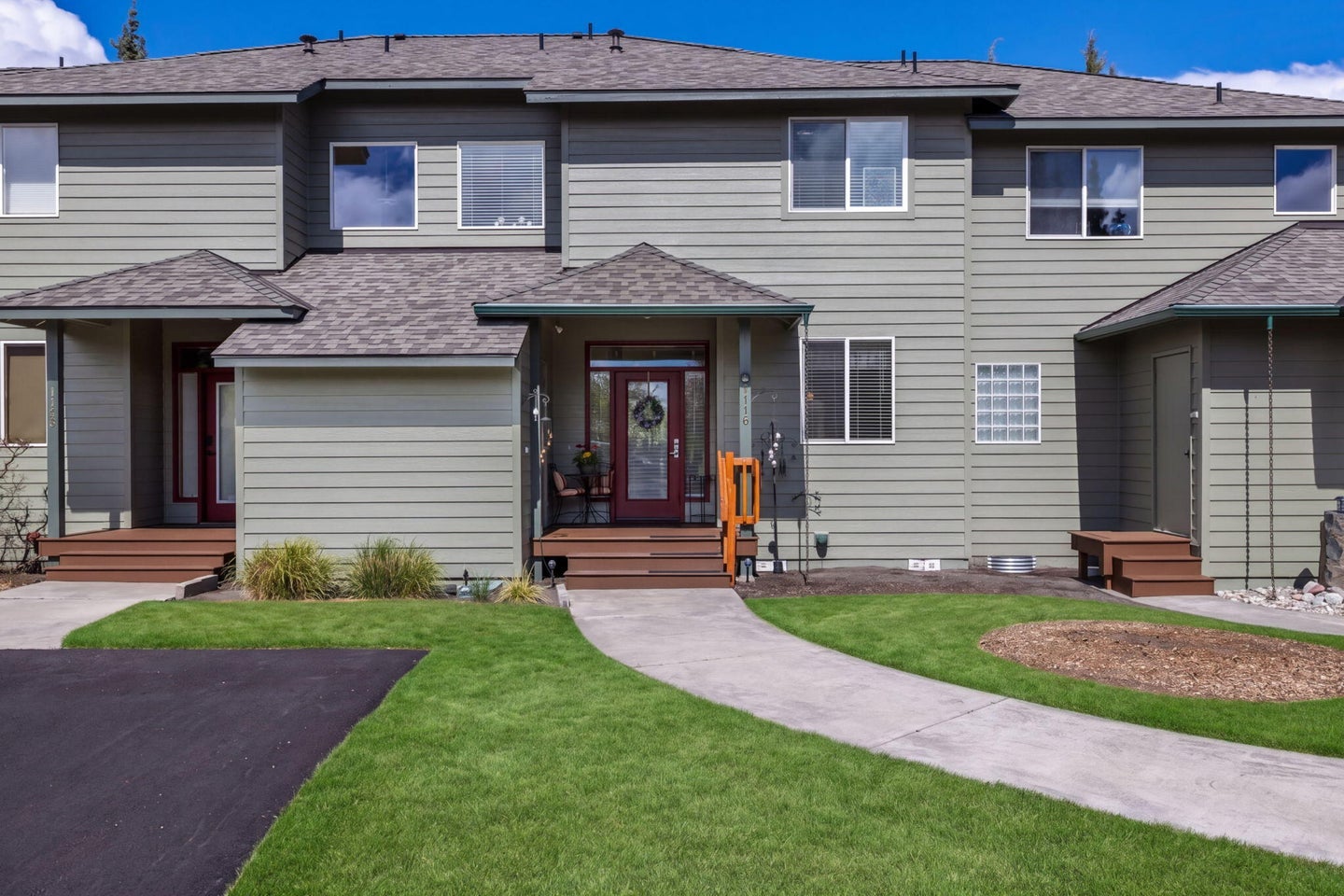
Erected over the past decade or so. These spots feature airy floor plans, solid energy efficiency, and associations managing shared spaces. Young families gravitate here thanks to nearby schools and playgrounds. Costs exceed legacy areas, yet maintenance stays low initially.
Eagle Crest Resort Zone
Located roughly five miles west of the core, it boasts golf vistas, resort perks, and properties doubling as vacation pads or rentals. Plenty opt to buy now, lease short-term, and settle in post-retirement. Watch those steep association dues; scrutinize rules upfront.
Every zone matches specific lifestyles. Pinpointing yours cuts wasted viewings and avoids shiny listings that miss the mark for daily life.
Lesson 2: Get Pre-Approved Before You Look at a Single Home
This is not optional. Buyers in Redmond who skip this step lose homes to buyers who did not.
Here is why it matters in this market:
- Good homes at fair prices sell fast. You may have one to two days to act. Without a pre-approval, you cannot make a real offer.
- Sellers and their agents take local lender letters seriously. It shows you are ready.
- Your pre-approval number tells you where to look. Without it, you waste time on homes you cannot actually buy.
If you are looking at a property outside the city, tell your lender it has a rural address and may use a well or septic system. Lenders handle those differently, and some are not prepared to finance them.
Lesson 3: Photos Tell You Very Little
A listing with great photos is just good photography. It does not show you which way the home faces, what is being built next door, or how old the roof is.
When you tour homes for sale in Redmond Oregon, pay attention to what the photos skip:
- Sun direction: The way a home faces affects how warm or cold certain rooms get. It affects your energy bills and how much natural light you actually live with.
- What is around the property: Empty land nearby is not always a good thing. Find out if it is zoned for homes, a road, or a retail building.
- HOA rules: Some Redmond HOAs do not allow short-term rentals, storage sheds, certain fences, or specific paint colors. If you plan to change something or rent the home out, check this before you get attached to a place.
- Roof and system ages: An old roof and an aging furnace are things you can negotiate on. They are also your full cost after closing if you miss them.
- Water and septic: Homes outside city limits often run on wells and private septic systems. These need their own inspections and carry different repair costs than city hookups.
A good agent covers all of this during the showing. If yours is only talking about the kitchen, that is a gap you need to fill yourself.
Lesson 4: Get a Full Inspection, Not a Quick One
Oregon requires sellers to share known problems. But sellers can only disclose what they know about. Some issues hide inside walls, under floors, and in crawl spaces. That is what an inspection is for.
For Redmond homes, a solid inspection should cover:
- Foundation and crawl space
- Roof age, material, and condition
- Electrical panel and wiring
- Plumbing and water heater
- Heating and cooling systems
- Drainage around the home
- Signs of water damage, especially in spring when snow melts
- Well pump and water quality, if the home uses a well
- Septic system condition, if the home is not on city sewer
Do not skip any of these to save a few hundred dollars on the inspection. One problem missed can cost tens of thousands after you close.
Lesson 5: Your Offer Has to Fit What the Market Is Doing Right Now
A strategy that worked eight months ago may not work today. The Redmond market shifts. Sometimes sellers have more power. Sometimes buyers do.
When homes are moving fast and few are for sale:
- Price your offer at or near asking on homes that are priced fairly
- Keep the offer clean and simple
- Hold onto your inspection right, but avoid adding things that slow the deal down
When there are more homes than buyers:
- Push on price
- Ask for closing cost help or repair credits
- Take your time and be picky
Your agent should look at what homes actually sold for in the past 30 days. Not asking prices. Sold prices. That is what the market is really doing, and that is what your offer should reflect.
Lesson 6: Buying From Out of State Works Fine If You Plan It Right
A lot of people buying homes for sale in Redmond Oregon are coming from California, Washington, Idaho, and other states. They are drawn by the airport, the outdoor lifestyle, and prices that still make sense compared to where they live.
If you are buying from far away, here is what actually works:
- Ask for a full walkthrough video, not a short clip. You need to see how the spaces flow, how the light moves, and what the condition really looks like.
- Most of the process works remotely. Offers, contracts, and signings can all be handled digitally. Some closings can be done fully by mail.
- Work with an agent who has helped out-of-state buyers before. They know what remote buyers tend to miss and will point out things you would have noticed if you were standing in the room yourself.
The airport also helps here. If you want to visit before you commit, flying in is easy compared to most smaller Oregon cities.
Lesson 7: Investment Properties Need Honest Numbers
Redmond has rental potential, especially near Eagle Crest and around the airport area. But buyers who run optimistic projections on investment properties often end up disappointed.
Before you buy to rent, sort out these things:
- Short-term rental rules: Not every property or neighborhood in Redmond allows short-term rentals. City zoning applies. Check the current rules for any property before you assume.
- HOA restrictions: Some HOAs ban vacation rentals. Read those rules before you make an offer.
- Property management costs: If you live elsewhere, you need someone local to manage the home. That cost eats into your income.
- Slow seasons: Resort-area homes in Redmond can sit empty for stretches of the year. Make sure the numbers still hold up when occupancy drops.
Build your plan around conservative numbers. If the deal only works when everything goes right, it is probably not a good deal.
Lesson 8: Know Exactly What You Are Buying
This sounds obvious. It trips up a lot of buyers anyway.
Before you close on any home, get clear on:
- Whether the home is on city water and sewer, or a private well and septic
- What the current property taxes are and whether an increase is coming
- Whether any liens or legal claims exist on the title
- What comes with the home and what the seller is taking with them
- Where the property lines actually are, especially on larger or rural lots
A title company will search the title before closing. But you should be asking these questions weeks earlier, not the day before signing.
Lesson 9: Think Past Move-In Day
A home is a long hold, even when you do not plan to stay forever. Think through what you need this place to do over the next five to ten years.
- Staying five years or less: resale value and how the neighborhood is changing matters more than personal taste.
- Staying ten years or more: buy what fits your real life, not just what checks every box on a list.
- Have kids or planning to: school access and nearby parks go from nice to have to need to have quickly.
- Working from home full time: a real office space, strong internet, and a quiet street matter more than an extra bathroom.
Redmond is changing. Parts of the city are growing fast. A good local agent can tell you which areas are heading up, which are steady, and which have open questions about what gets built nearby.
Lesson 10: Work With Someone Who Actually Knows This Market
You can read every guide online and still miss something in the first five minutes of a home tour that a good local agent would catch right away.
Redmond has its own property types, zoning rules, and neighborhood patterns. Those things only make sense after you have spent real time working here. That is not something you get from a large national brokerage that just added a Redmond zip code to a list.
A Redmond agent who knows the market will:
- Show you homes that fit your real needs, not just your stated budget
- Tell you when an asking price is off and by how much
- Know which local inspectors, lenders, and title companies actually do good work
- Understand short-term rental rules and where they apply
- Write offers that protect you and stay competitive at the same time
Pick someone who asks you good questions before they start sending listings. Pick someone who can tell you what sold last month, not last year. That is the kind of local knowledge that gets you the right home at the right price.
Conclusion
Looking at homes for sale in Redmond Oregon is a smart move. The market has value. The town is growing. The quality of life is real. But going in without knowing how things work here is the fastest way to overpay, miss something, or lose a home you should have had.
Know the neighborhoods. Get your financing ready first. Look past the photos. Run honest numbers on any investment. And work with someone who knows Redmond from the inside out.
When you are ready to take that step, connect with the Redmond Oregon Real Estate Agents at Knightsbridge International Real Estate and get local guidance that is built around your goals.
Frequently Asked Questions About Homes for Sale in Redmond Oregon
Q: How much do homes for sale in Redmond Oregon typically cost?
Home prices in Redmond have a median of around $482,000 as of April 2026. This varies by spot, square footage, and shape. You often save $150,000 to $200,000 compared to a matching place over in Bend. Fixer-uppers close to downtown hit the bottom of that scale. Fresh constructions or resort spots push toward the top.
Q: Is Redmond Oregon a good place to buy a home right now?
Redmond offers plenty of appeal. Employment keeps climbing. The airport just wrapped a big expansion. Costs stay under Bend’s levels. Plus, the active outdoor scene pulls in folks nationwide. It works well as your main residence, vacation spot, or smart long-haul buy.
Q: What should a home inspection cover in Redmond Oregon?
Expect a thorough check in Redmond to hit the foundation, roof, wiring, pipes, furnace, AC, and runoff systems. Properties beyond city lines also require well pump review, water testing, and septic evaluation. Never cut corners here. Issues spotted post-sale land squarely on your dime.
Q: Can I buy a home in Redmond Oregon if I live out of state?
Absolutely. Out-of-state individuals snag many Redmond properties. You handle most steps from afar, like bids, paperwork, and docs. The local airport simplifies the visit for one last walkthrough right before closing, should you prefer eyes on the place.
Q: Can I use a home in Redmond as a short-term rental?
Certain spots qualify, particularly around Eagle Crest Resort. City regulations and HOA limits come into play though. Not all homes permit it. Double-check the latest guidelines for your target property upfront if rentals factor into your purchase idea.